
5 Mini STEM Missions for Kids in the Backyard (Easy Outdoor Science Ideas)
Getting kids outside doesn’t always require big plans or special equipment. In fact, some of the most engaging outdoor learning happens when children are simply given small challenges and a bit of space to explore.
These 5 mini STEM missions turn an ordinary backyard, garden, or park into a place of discovery. Each activity encourages observation, curiosity, and hands-on learning using things you already have at home.
They are simple, screen-free, and perfect for independent or guided play.
Why STEM Missions Work So Well for Kids
STEM-based activities combine science, observation, experimentation, and problem-solving. But for children, they don’t feel like “learning” — they feel like play.
These mini missions help children:
- Develop observation skills
- Think creatively and independently
- Explore basic scientific concepts
- Spend more time outdoors
- Stay engaged without screens
The key is not instruction, but curiosity.
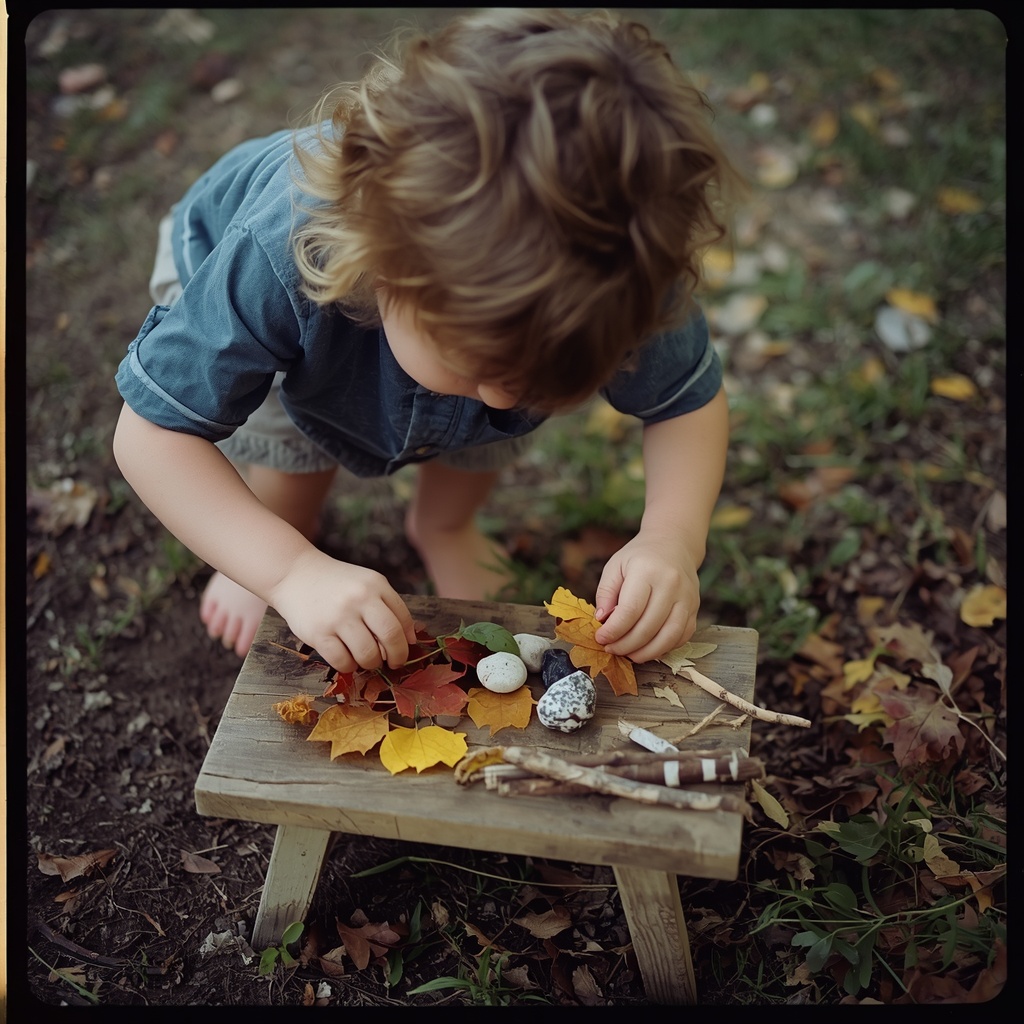
1. Nature Color Match
This activity turns the outdoors into a natural color scavenger hunt.
How it works:
Give your child a simple goal: find objects in nature that match specific colors.
They might collect or point out:
- green leaves
- brown sticks
- yellow flowers
- gray stones
Why it’s powerful:
Children begin to notice subtle differences in shades and textures they normally overlook. A leaf is no longer just “green” — it becomes light green, dark green, spotted green, and more.
Extension idea:
You can create a “color map” on paper and let them place or draw what they find.
2. Float or Sink Test
A classic mini science experiment that never gets old.
How it works:
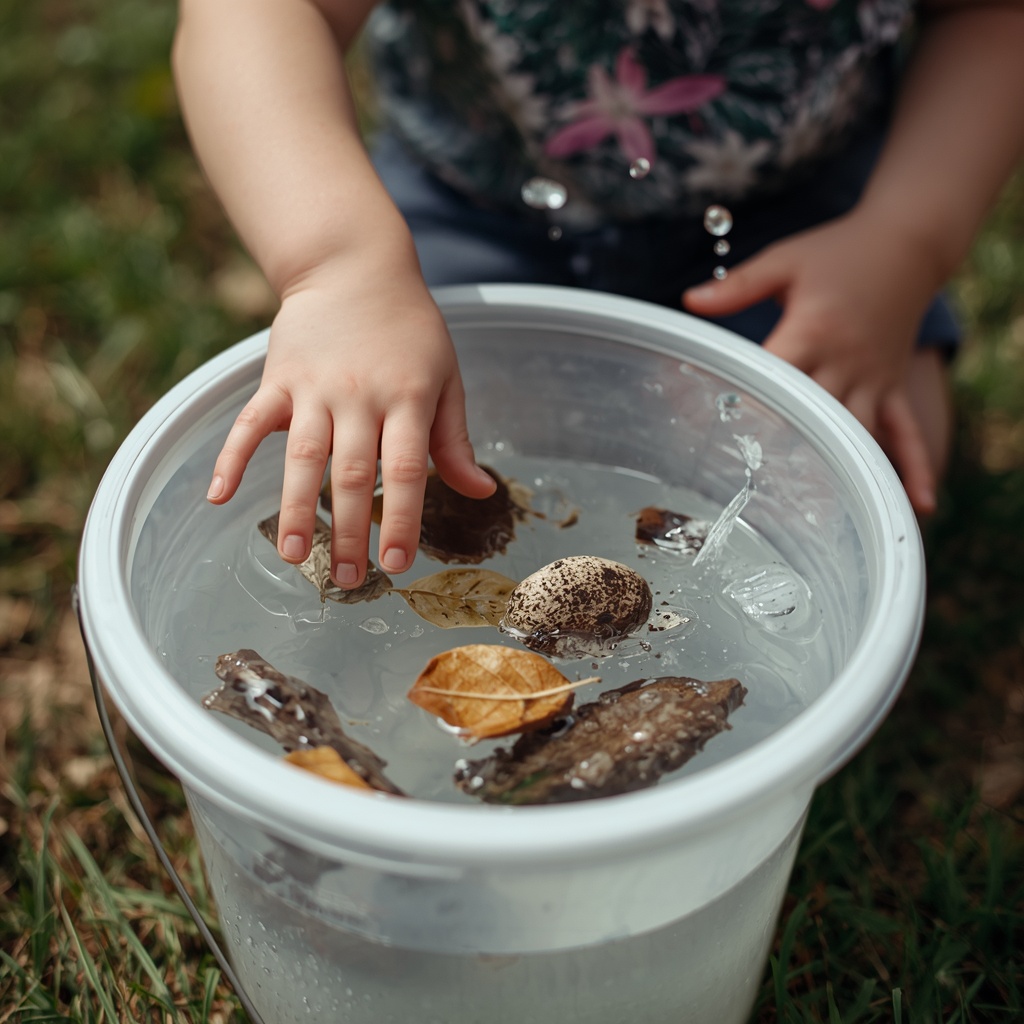
Collect small natural objects from outside:
- stones
- leaves
- sticks
- flowers
- pinecones
Then test them in a bowl of water, bucket, or even a puddle.
What children learn:
They begin to observe patterns:
- heavy objects often sink
- light objects often float
- but nature is full of surprises
Why kids love it:
It feels like a real experiment. There is guessing, testing, and discovering — which keeps them fully engaged.
3. Tree Bark Rubbing
A calm, sensory STEM activity that combines art and science.
How it works:
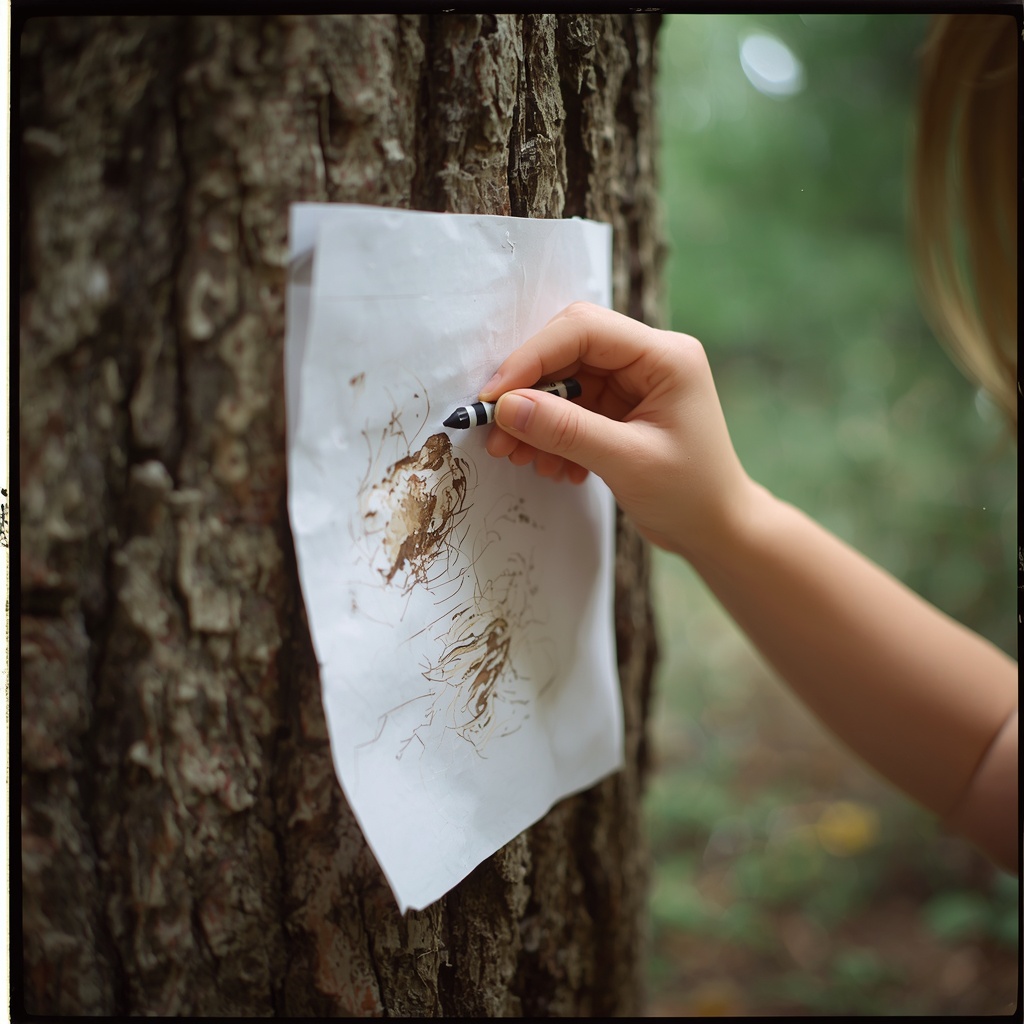
Place a sheet of paper against a tree trunk and rub over it with a crayon or pencil.
Each tree creates a unique texture pattern.
What children notice:
- rough vs. smooth bark
- different patterns on different trees
- nature as something “designed” in many variations
Why it matters:
This activity trains attention to detail and slows children down in a very natural way. It also connects art with scientific observation.
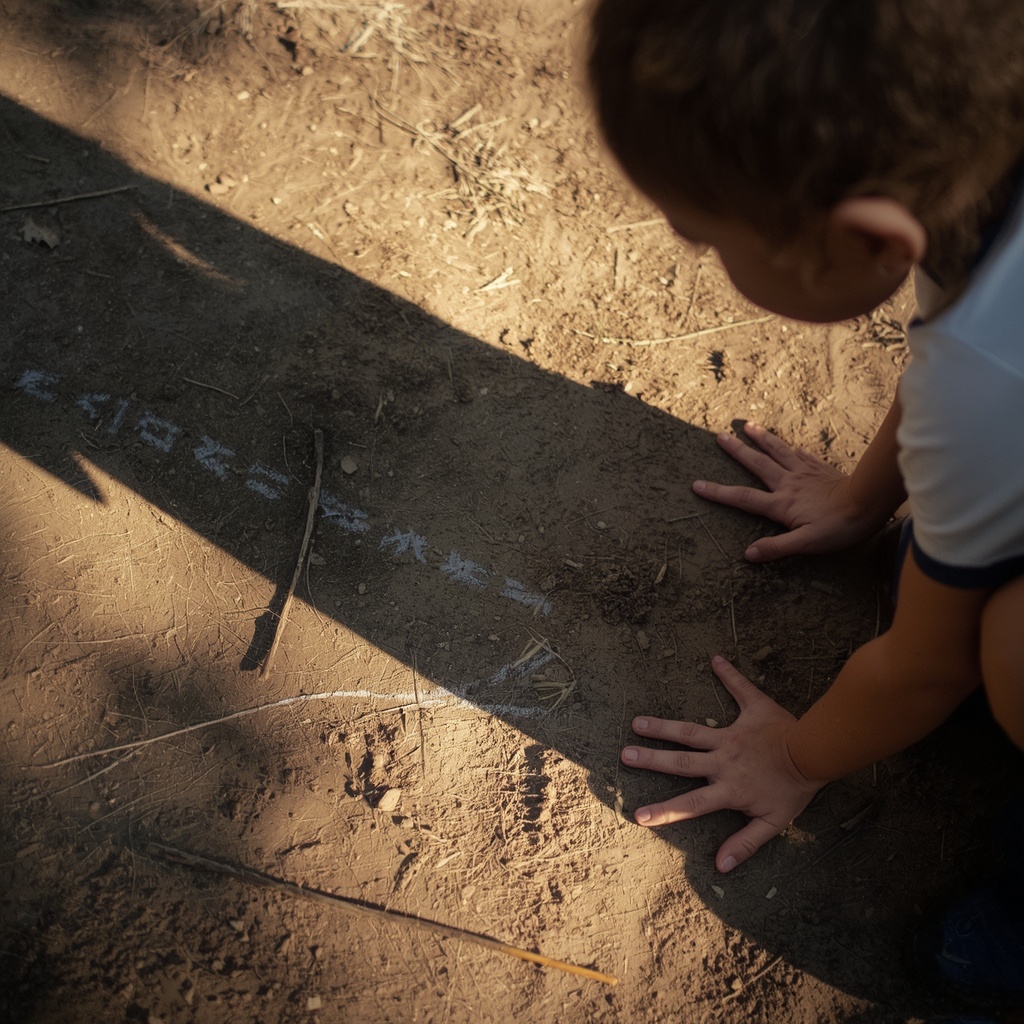
4. Shadow Clock
This is a simple introduction to how sunlight moves throughout the day.
How it works:
Find a sunny spot in the backyard. Place a stick upright in the ground or use a fixed object. Observe how its shadow changes.
You can:
- check it at different times of the day
- mark the shadow direction with stones or chalk
What children learn:
- the sun moves across the sky
- shadows change length and direction
- time can be observed naturally
Why it’s powerful:
It turns time into something visible and physical, not just something on a clock.
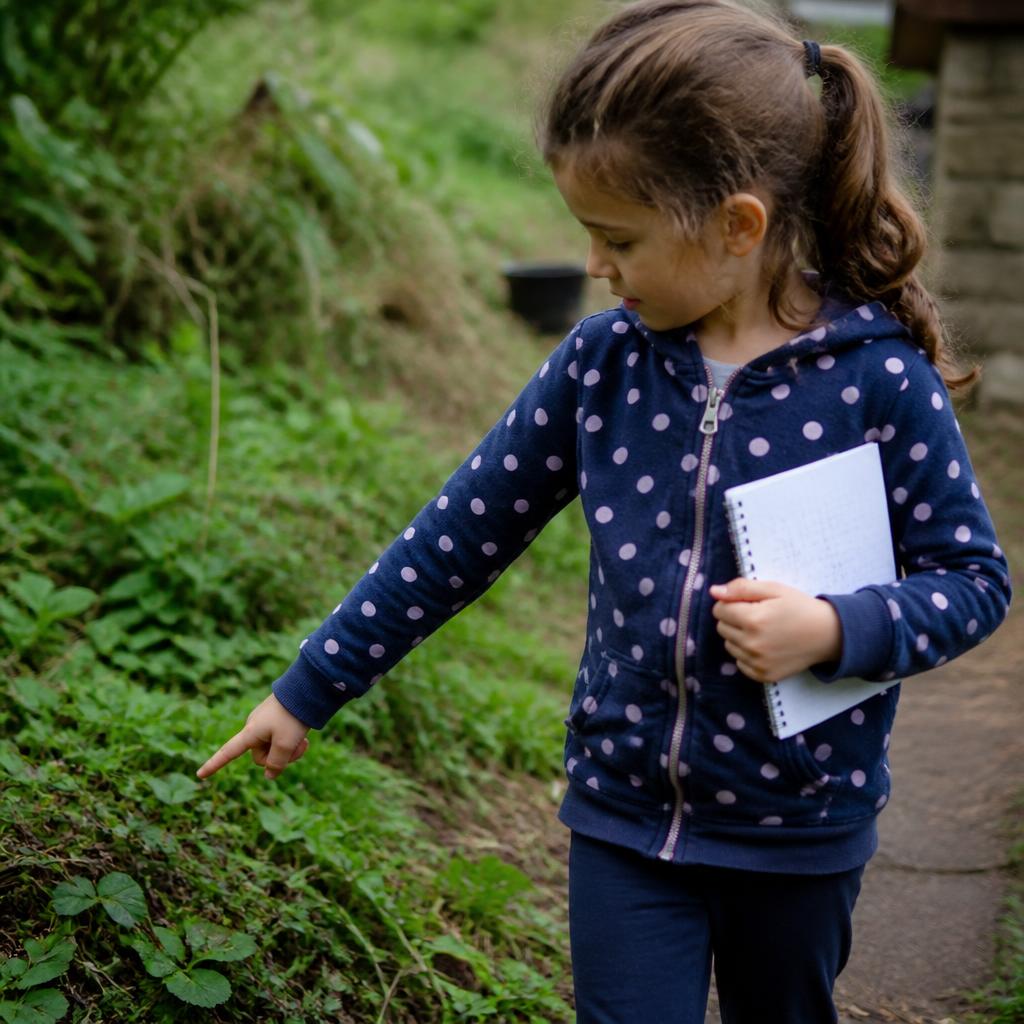
5. Alphabet Walk
This activity combines movement, observation, and language skills.
How it works:
Go for a walk in the backyard, garden, or neighborhood and look for objects starting with each letter of the alphabet.
Examples:
- A = apple tree, ant
- B = bird, bush
- C = cloud, քար (stone shape, etc.)
Why kids love it:
It turns a simple walk into a game of discovery. Every step becomes a search mission.
Extension idea:
Let kids take photos or draw what they find for each letter.
How to Turn These into a Full STEM Experience
You can easily extend these missions by:
- letting kids document their findings
- creating a “STEM journal”
- repeating activities across different days
- comparing results (especially shadow and float/sink)
The goal is not perfection — it’s curiosity and repetition.
Why This Type of Play Works So Well
These mini missions are effective because they combine:
- movement
- exploration
- hands-on interaction
- independence
Children don’t feel like they are being taught. They feel like they are discovering.
And that is where real learning begins.
Final Thoughts
You don’t need complex setups or expensive kits to introduce STEM thinking. A backyard, a few simple objects, and a bit of curiosity are enough.
These 5 mini STEM missions turn everyday outdoor spaces into places of exploration, learning, and creativity.