

How to Raise a Reader: 12 Simple Habits That Help Kids Fall in Love with Books
In a world filled with screens, notifications, and endless entertainment options, many parents wonder how they can encourage their children to love books.
The truth is that raising a reader isn’t about buying the perfect bookshelf, following a complicated reading program, or pushing children to read before they’re ready.
Children who grow up loving books often have one thing in common: they grow up in homes where stories are part of everyday life.
The good news is that creating a reading culture at home doesn’t have to be expensive, time-consuming, or overwhelming. Small habits practiced consistently can make a lasting difference.
If you’d like to raise a child who reaches for a book with curiosity and excitement, these simple habits can help.
Why Reading Habits Matter More Than Reading Levels
Parents often focus on milestones:
- When should my child learn to read?
- How many books should they finish?
- Are they reading at grade level?
While those questions are understandable, they can sometimes distract from something even more important: a child’s relationship with books.
A child who sees reading as enjoyable will continue reading long after reading lessons are forgotten.
A child who associates books with comfort, connection, and discovery is far more likely to become a lifelong reader.
The goal isn’t simply to teach children how to read.
The goal is to help them love reading.

1. Let Your Children See You Reading
Children learn from what they observe.
If books only appear during homework or bedtime, children may assume reading is something they have to do rather than something people genuinely enjoy.
When children see adults reading:
- novels
- magazines
- cookbooks
- gardening books
- travel guides
they begin to understand that reading is a normal part of everyday life.
You don’t need to make a big announcement.
Simply reading your own book on the couch for ten minutes sends a powerful message.
Reading becomes something the family values naturally.
2. Create Small Reading Moments Throughout the Day
Many parents picture reading as a dedicated twenty-minute session before bed.
While bedtime stories are wonderful, reading can happen almost anywhere.
Try keeping books nearby for unexpected moments:
- during breakfast
- while waiting for appointments
- after lunch
- during quiet time
- before dinner
These small moments add up.
Children begin to see books as companions rather than scheduled activities.
3. Make Books Easy to Reach
Imagine if every book in your home were stored on a high shelf behind closed doors.
You probably wouldn’t reach for one very often.
Children are no different.
Books should be visible and accessible.
Simple ideas include:
- baskets in the living room
- a small shelf in the playroom
- books beside the bed
- a basket in the car
- seasonal books displayed face-forward
When books are easy to reach, children are much more likely to pick them up independently.
4. Follow Your Child’s Interests
One of the quickest ways to discourage reading is to insist that children only read what adults think they should read.
Children become enthusiastic readers when books connect with their interests.
Whether they love:
- dinosaurs
- trucks
- animals
- fairies
- outer space
- cooking
- insects
there are books that can nurture those passions.
Interest creates engagement.
Engagement creates readers.
5. Make Library Visits a Family Tradition
Libraries are magical places for children.
Rows of books waiting to be discovered can spark curiosity in ways that online shopping often cannot.
Consider creating a regular library ritual:
- every Friday afternoon
- once a month
- after school on Wednesdays
- during weekend outings
Children often look forward to library visits not just because of the books, but because of the experience itself.
The routine becomes a cherished family tradition.
6. Don’t Worry About Reading the Same Book Again
Many parents secretly groan when their child requests the same story for the tenth time.
But repetition is valuable.
When children hear familiar stories repeatedly, they:
- build vocabulary
- strengthen comprehension
- gain confidence
- notice new details
Most importantly, rereading favorite books creates comfort and joy.
Children aren’t looking for variety.
They’re looking for connection.
7. Create a Cozy Reading Space
You don’t need a Pinterest-perfect reading nook.
Children simply need a place that feels inviting.
A cozy reading corner might include:
- a soft blanket
- a few pillows
- a small lamp
- a basket of favorite books
The goal is to create a space that says:
„This is a place where stories live.“
Even a small corner of a room can become a favorite retreat.
8. Connect Books to Everyday Life
Books become more meaningful when they connect to real experiences.
For example:
- Read a gardening book before planting flowers.
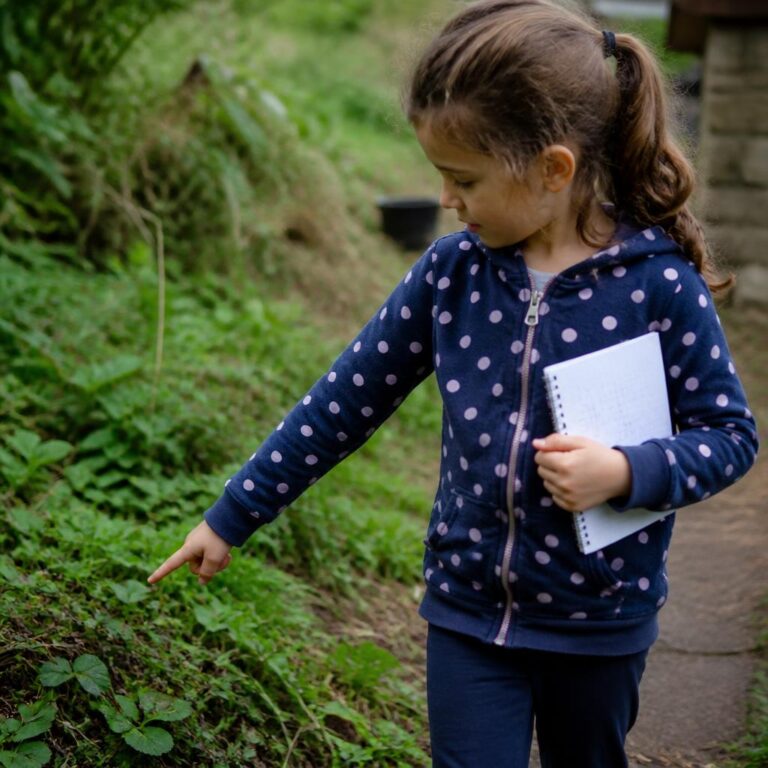
- Read a bird book before a nature walk.
- Read a baking story before making cookies.
- Read a book about insects before exploring the backyard.
Children love seeing the connection between stories and the world around them.
Reading stops feeling separate from life and becomes part of it.
9. Let Children Choose Their Own Books
Adults often gravitate toward books that teach lessons.
Children often gravitate toward books that make them laugh.
And that’s perfectly okay.
Graphic novels, joke books, comics, and silly stories all have value.
When children have ownership over their reading choices, they become more invested in reading.
Not every book needs to be educational.
Sometimes the best book is simply the one a child can’t wait to open.
10. Talk About Stories Instead of Testing Comprehension
After reading together, many parents fall into teacher mode.
Questions like:
- What happened first?
- What was the main problem?
- What was the lesson?
can make reading feel like a quiz.
Instead, try conversations such as:
- What was your favorite part?
- Which character did you like most?
- Would you want to visit that place?
- What made you laugh?
These questions keep reading enjoyable while still encouraging deeper thinking.
11. Create Family Reading Rituals
Children remember rituals.
They remember the things families do again and again.
Simple reading traditions might include:
- Saturday morning story time
- Sunday read-aloud sessions
- bedtime chapter books
- library Fridays
- hot chocolate and books on rainy days
These moments become part of a family’s story.
Years later, children may not remember every title they read, but they often remember how those reading rituals made them feel.
12. Remember That Reading Is About Connection
At its heart, reading is not just about words on a page.
It’s about relationships.
Children remember:
- curling up beside a parent
- hearing a favorite story
- laughing at funny characters
- discovering new worlds together
These shared experiences build emotional connections to books.
And those connections are what often turn children into lifelong readers.
Final Thoughts
Raising a reader isn’t about creating the perfect home library or reaching every educational milestone early.
It’s about creating an environment where books feel welcome.
A home where stories are read, shared, discussed, and enjoyed naturally gives children countless opportunities to discover the joy of reading.
Start small.
Read one extra story.
Visit the library.
Create a cozy corner.
Leave a favorite book within reach.
The habits may seem simple today, but over time they can help shape a child who sees books not as assignments, but as lifelong companions.
And that is one of the greatest gifts we can give our children.