
Quiet Time Activities That Actually Keep Kids Busy (Screen-Free Ideas That Work)
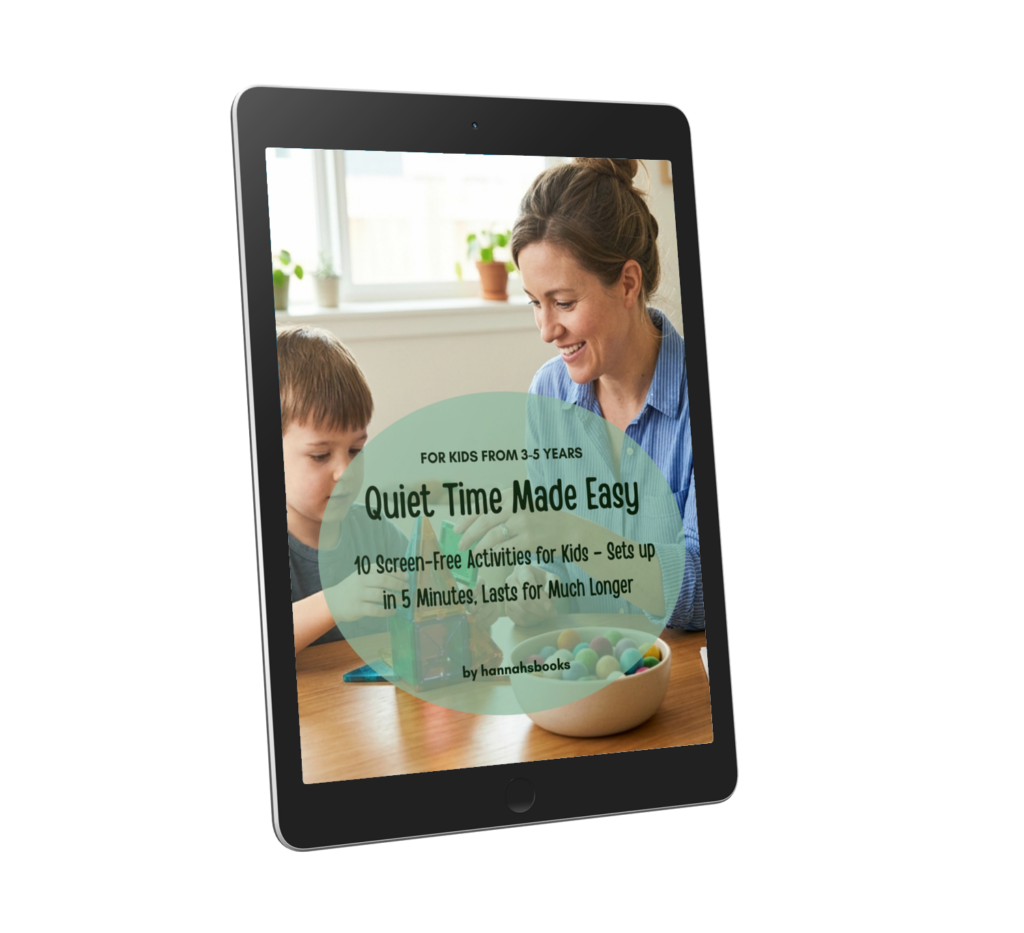
Quiet time for kids is often misunderstood. Many parents expect children to naturally settle into calm, independent play, but without structure, this moment can quickly turn into boredom or requests for screens.
The good news is that quiet time does not need complicated preparation. With the right types of activities, children can stay focused, creative, and engaged while developing independence and self-regulation skills.
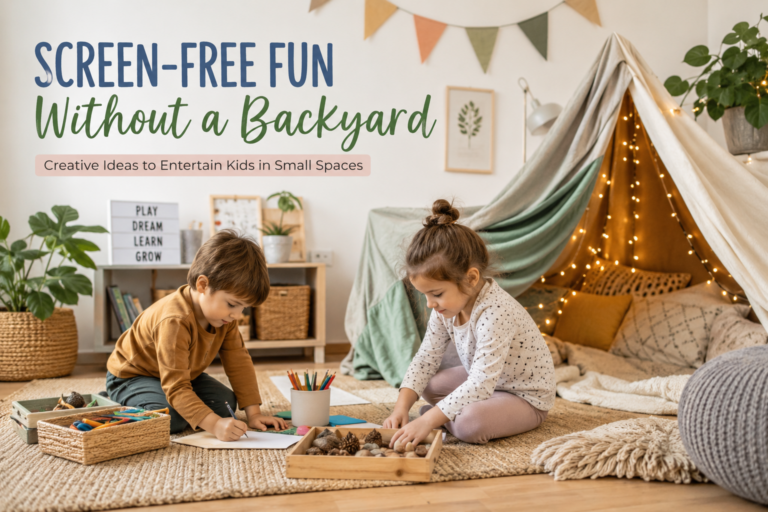
This guide includes practical quiet time activities that work in real homes using simple materials you already have.
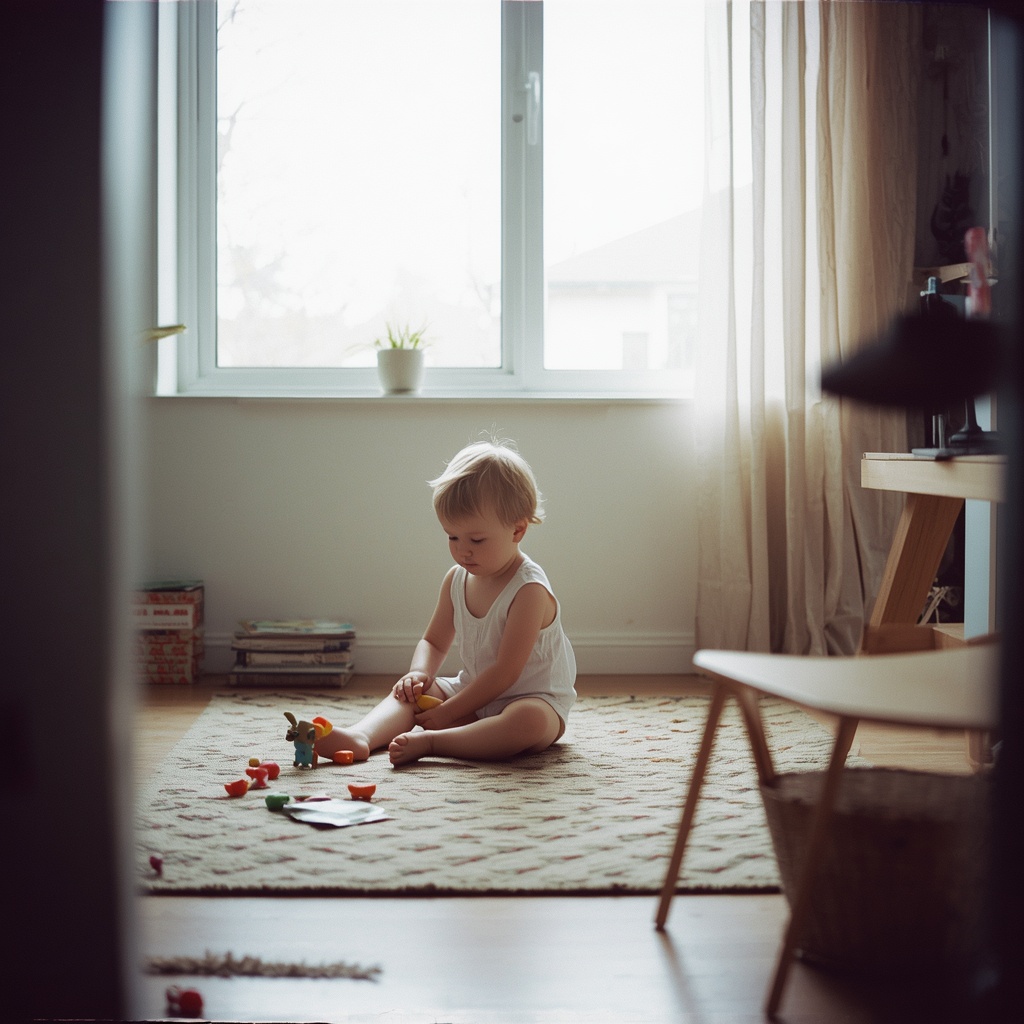
Why Quiet Time Matters for Child Development
Quiet time is more than just a break in the day. It supports essential developmental skills such as:
- Independent play and focus
- Emotional regulation and self-soothing
- Creativity and imagination
- Reduced screen dependency
- Improved attention span
When children learn to enjoy calm, low-stimulation activities, they build a foundation for better concentration and resilience.
Quiet Time Activities for Kids That Actually Work
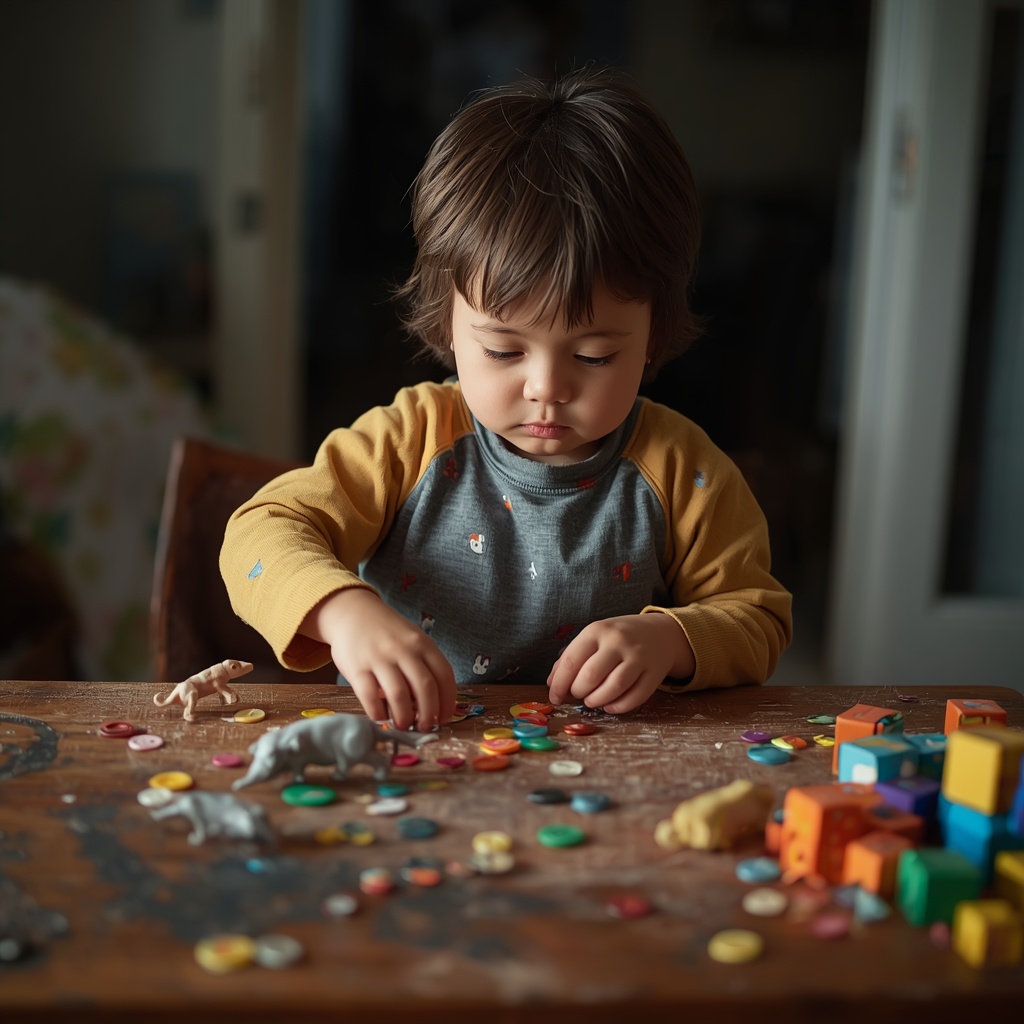
1. Sorting and Categorizing Everyday Objects
Sorting activities are simple but highly engaging. Children naturally enjoy organizing objects into groups, even without instructions.
What to use:
- Buttons, beads, or coins
- Toys or figurines
- Kitchen utensils or household items
How it works:
Children create their own systems, such as sorting by color, size, shape, or even invented categories. The lack of rules allows for open-ended thinking while maintaining focus.
Why it works:
Sorting provides structure and repetition, which helps children stay calm and engaged for longer periods.
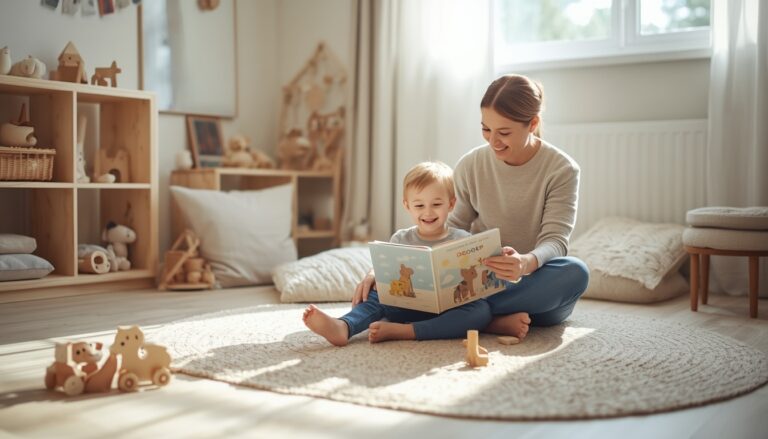
2. Picture Book Exploration Without Reading Pressure
Books can be used for quiet time even without reading aloud.
Activity ideas:
- Looking at pictures independently
- Creating stories based on illustrations
- Using wordless books for imagination
Benefits:
- Encourages storytelling skills
- Develops attention to detail
- Supports language development through imagination
Children often create entirely different narratives each time they explore the same book.
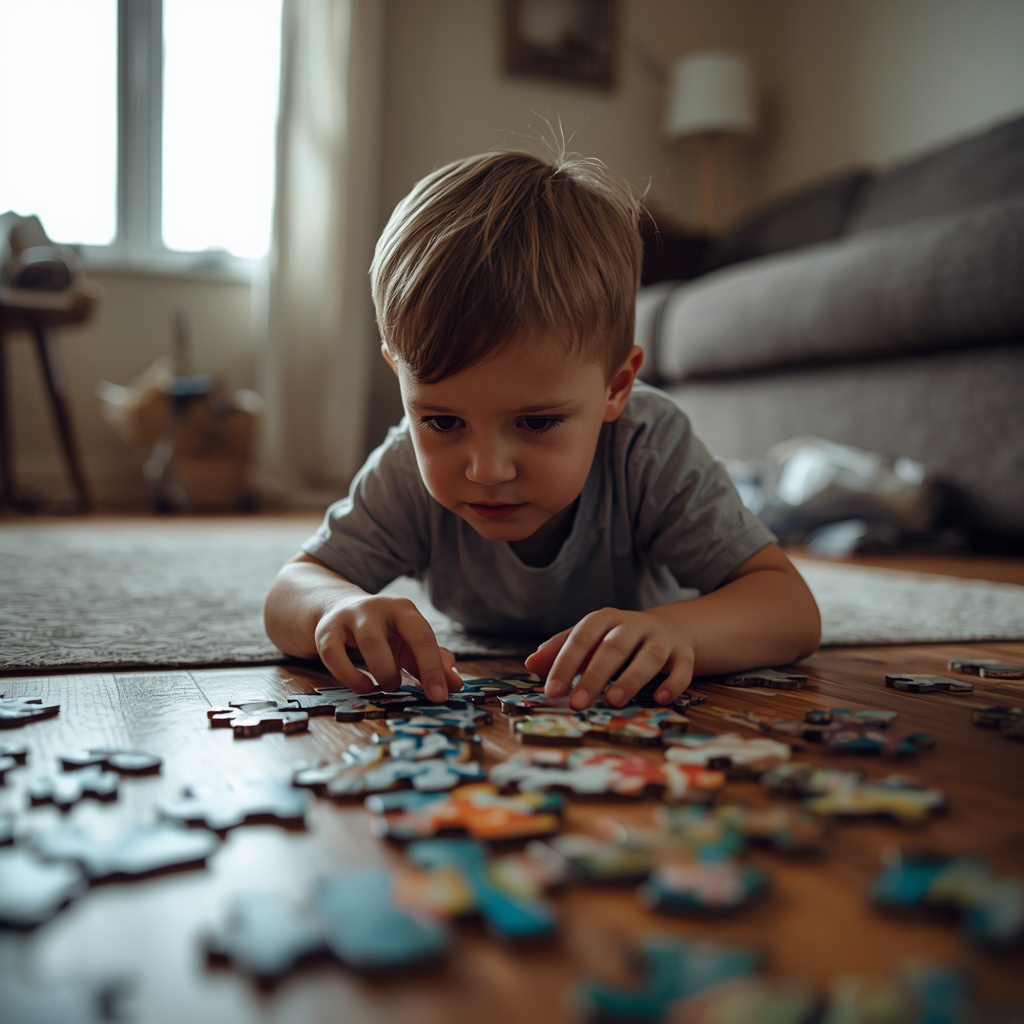
3. Independent Puzzle Solving
Puzzles are one of the most reliable quiet time activities.
Options include:
- Jigsaw puzzles (age appropriate)
- Wooden shape puzzles
- Magnetic or floor puzzles
Why it works:
- Self-correcting structure
- Clear sense of progress
- Naturally calming repetition
Puzzles often lead to deep focus states where children remain engaged without interruption.
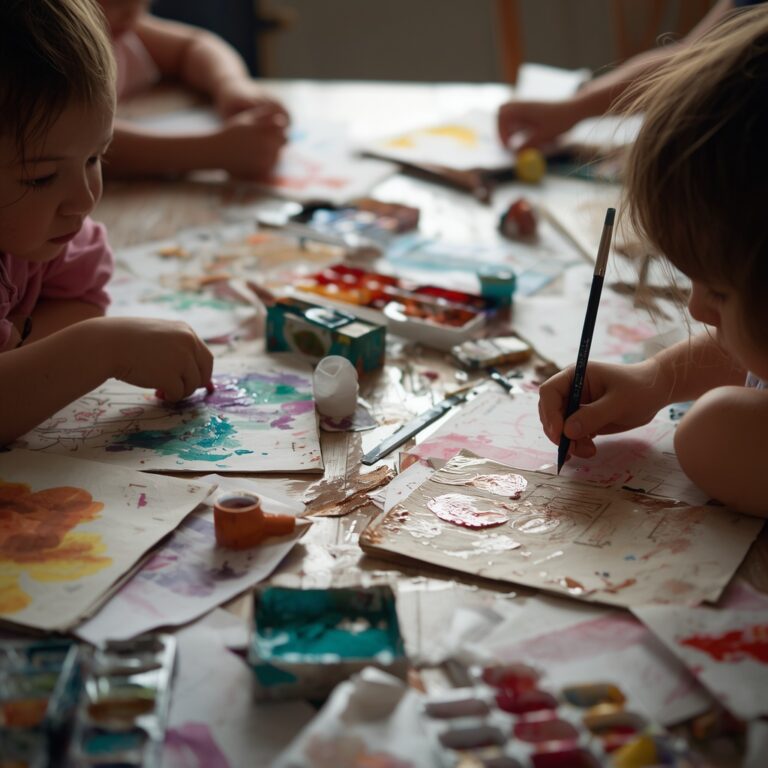
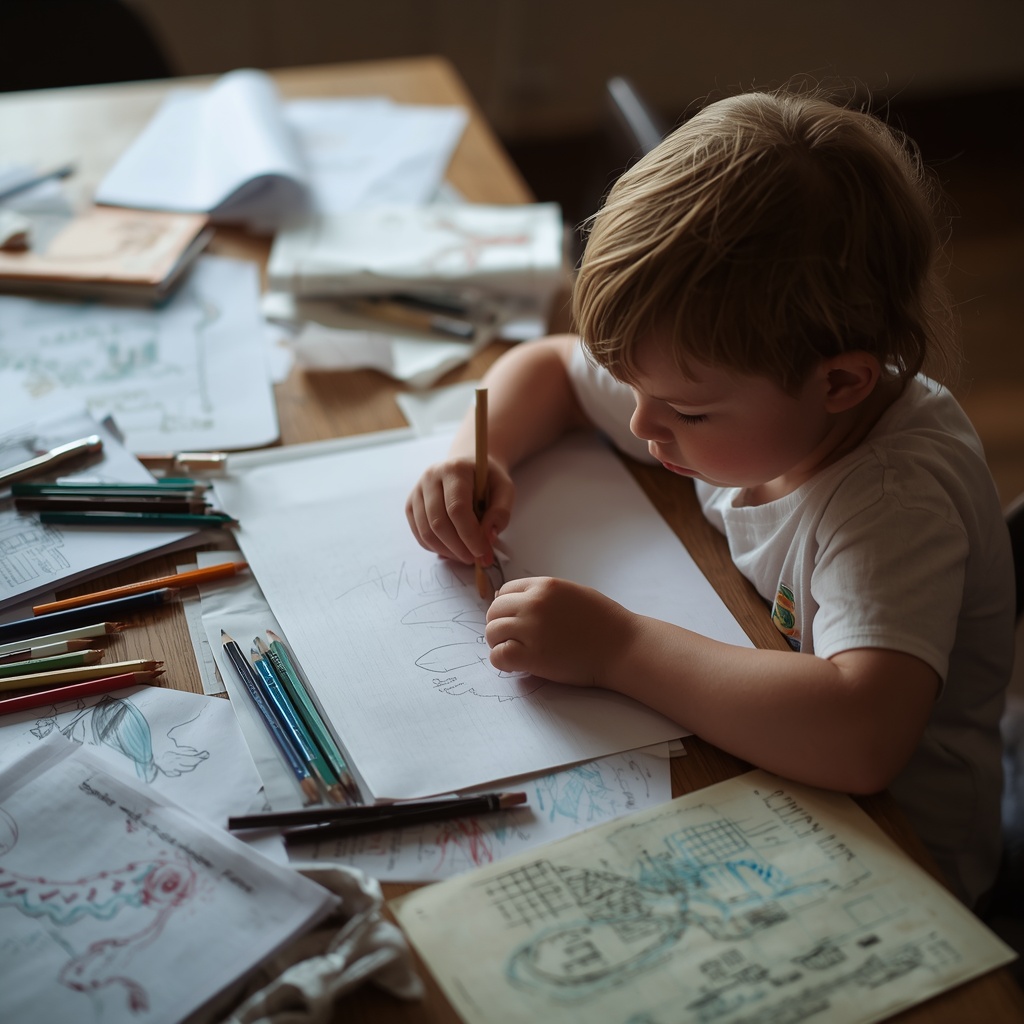
4. Calm Drawing with Open-Ended Prompts
Instead of free drawing without direction, gentle prompts can guide creativity.
Examples of prompts:
- Draw a place where you feel safe
- Design a new animal
- Imagine your dream bedroom
- Create a map of a fantasy world
Key principle:
There is no right or wrong outcome. The goal is exploration, not perfection.
This reduces pressure and increases engagement time.
5. Small World Play (Imaginative Mini Worlds)
Small world play is ideal for quiet, independent storytelling.
Materials:
- Toy animals or figures
- Dolls or characters
- Natural elements (stones, sticks, leaves)
What children create:
- Farms or cities
- Fantasy worlds
- Rescue missions or daily life scenes
This type of play supports long, uninterrupted imaginative engagement.
6. Sticker Activities and Creative Scene Building
Sticker-based activities are surprisingly effective for calm focus.
Examples:
- Sticker scene books
- Blank paper with stickers
- Themed activity sheets
What children do:
- Build scenes gradually
- Rearrange elements
- Create visual stories
This repetitive, hands-on activity naturally supports concentration.
7. Logic Games and Quiet Brain Challenges
Some children enjoy structured mental tasks during quiet time.
Examples:
- Memory card games
- Matching or sorting cards
- Simple puzzles or riddles
- “Find the difference” worksheets
Optional parent prompts:
- “Can you remember these objects?”
- “Which one doesn’t belong?”
These activities promote focus without overstimulation.
8. Block Building and Free Construction Play
Building activities become calming when there is no expectation of a final result.
Materials:
- Wooden blocks
- LEGO bricks
- Magnetic tiles
What happens:
Children build, destroy, and rebuild continuously. The process itself becomes the activity.
This supports problem-solving, patience, and creativity.
9. Sensory Quiet Time Activities
Sensory play helps children regulate emotions and energy levels.
Ideas include:
- Playdough or modeling clay
- Rice or bean scooping
- Sand tray drawing
- Water pouring activities
Why it works:
Repetitive sensory input has a naturally calming effect and supports emotional balance.
10. Audio Stories with Independent Play
Audio content can replace visual stimulation while keeping children engaged.
Combine with:
- Drawing
- Building
- Relaxing on a mat or sofa
- Quiet toy play
Benefits:
- Encourages imagination
- Reduces screen reliance
- Supports calm focus
11. Toy Care and Organization Activities
Children enjoy feeling responsible for their toys.
Examples:
- Cleaning or organizing toys
- Sorting collections
- Creating “sleeping arrangements” for toys
This transforms routine organization into meaningful play.
12. Quiet Journaling and Drawing Logs
Journaling can be adapted for younger children as a creative quiet time tool.
Activities:
- Drawing daily experiences
- Listing favorite things
- Creating simple story pages
This supports reflection and emotional expression.
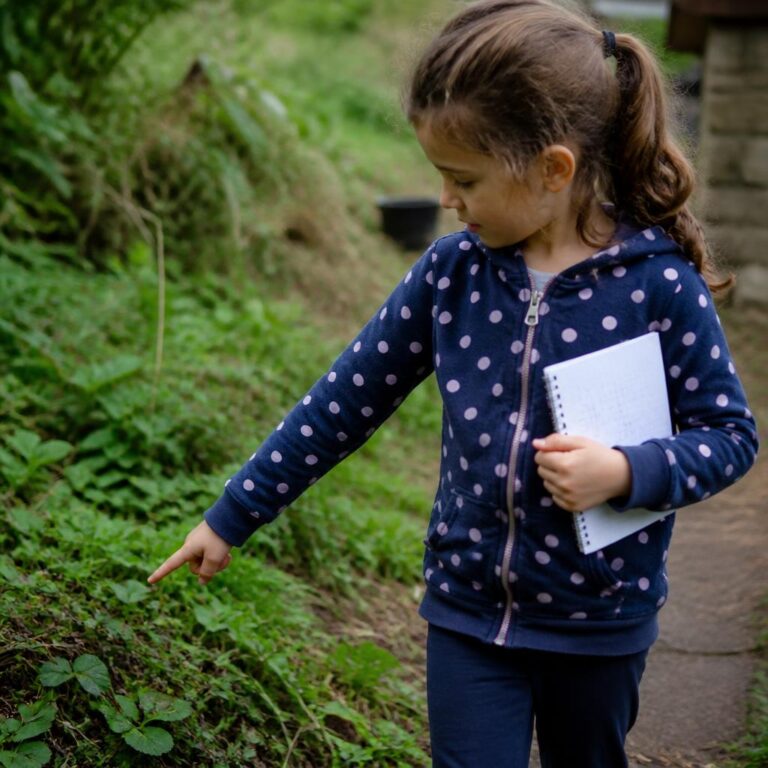
13. Window Watching and Observation Time
Simple observation can be surprisingly engaging.
What children observe:
- Weather changes
- People or animals outside
- Moving cars or nature
Extension idea:
Ask reflective questions such as:
- “What changed since yesterday?”
- “What do you notice today?”
This builds mindfulness and attention skills.
14. Build, Rebuild, and Experiment Stations
Instead of completing a fixed task, children are encouraged to explore freely.
How it works:
- Build a structure
- Change it
- Rebuild it differently
This open-ended cycle encourages creativity without pressure or expectations.
15. True Rest and Unstructured Quiet Time
Not all quiet time needs structured activity.
Options include:
- Resting with a soft toy
- Looking at books independently
- Listening to calm music
- Simply lying down and observing surroundings
This teaches children that stillness is a normal and valuable state.
How to Make Quiet Time Successful
To make quiet time work consistently, consider the following principles:
- Keep materials simple and accessible
- Avoid over-scheduling or over-directing
- Rotate activities to maintain interest
- Allow children to choose how they engage
- Accept that quiet time is not always perfectly silent
Consistency matters more than complexity.
Final Thoughts
Quiet time activities for kids do not need to be complicated or heavily planned. The most effective options are simple, open-ended, and based on everyday materials.
When children are given the space to explore at their own pace, they naturally develop focus, creativity, and independence.
Quiet time is not about stopping activity. It is about creating space for calm, self-directed engagement.