

Sensory Play for Preschoolers: Why It Matters & 5 Easy Ideas to Try Today
What is Sensory Play and Why Does Your Preschooler Need It?
When you see a toddler elbow-deep in a bin of dry beans, or a preschooler squishing homemade slime between their fingers, it might just look like messy fun. But behind the giggles and mess, serious brain-building is happening!
Sensory play includes any activity that stimulates your child’s five senses: touch, smell, taste, sight, and hearing, as well as movement and balance (vestibular and proprioceptive systems). For preschoolers (ages 3–5), sensory play isn’t just an afternoon pastime—it is an essential tool for neurological development.
The best part? You don’t need an expensive subscription box or a fancy preschool setup to give your child these benefits. With a few household items and a storage bin, you can create a world of learning right at home. In this guide, we will explore the science behind sensory play, its massive developmental benefits, and actionable, low-mess ideas you can set up today.
The Science: How Sensory Play Builds the Brain
Young children learn best by doing. When a child touches something cold, smells a fragrant spice, or listens to the crunch of dried leaves, nerve endings in their body send signals to the brain.
- Neural Pathways: Every time a child experiences a new texture or sensation, their brain creates and strengthens neural pathways. These pathways form the foundation for more complex cognitive tasks later on, such as problem-solving, math, and reading.
- Self-Regulation: Sensory input has a powerful effect on the nervous system. If a child is hyperactive or overwhelmed, heavy work (like pushing, lifting, or squeezing sensory materials) or calming tactile play can help them regulate their emotions and calm down.
Why Sensory Play Matters in Preschool (Ages 3–5)
While sensory play starts in infancy, it evolves dramatically during the preschool years. Here is how it helps children grow:
- Fine Motor Strength: Scooping, pouring, squeezing, and pinching sensory materials build the exact hand and finger muscles needed for writing and self-help skills.
- Language Development: Sensory play is a goldmine for vocabulary. Words like squishy, gritty, smooth, rough, heavy, and warm become part of a child’s active vocabulary as they describe what they feel.
- Scientific Thinking: Through trial and error (e.g., „What happens when I add water to sand?“), children practice early physics, chemistry, and cause-and-effect reasoning.
5 Engaging Sensory Play Ideas You Can Set Up in 5 Minutes
You don’t need hours of preparation or a Pinterest-worthy setup to give your child great sensory experiences. Here are five of our favorite, easy-to-set-up activities that target different senses while keeping cleanup manageable.
1. The Classic Rice or Bean Sensory Bin
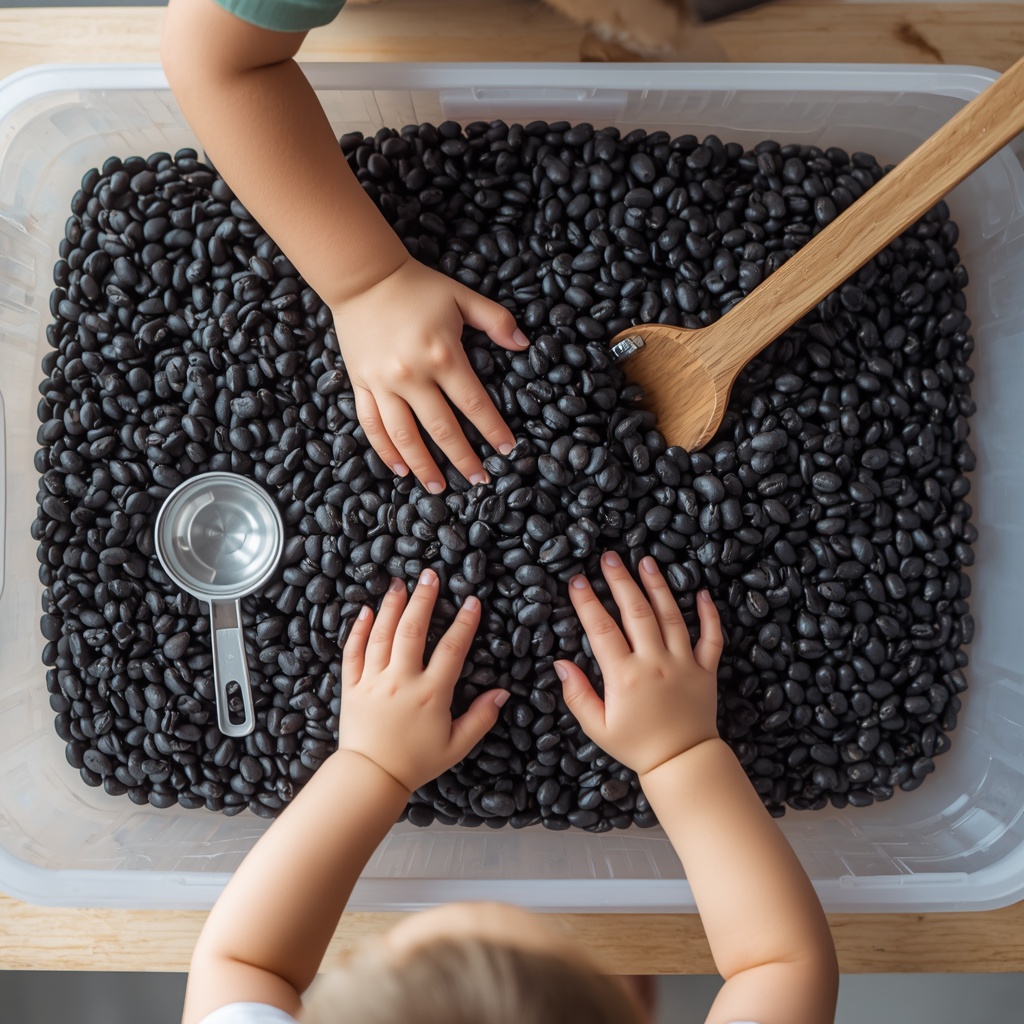
If you only try one sensory activity, make it a simple rice or bean bin. It is the ultimate boredom buster and provides endless opportunities for open-ended play.
- Target Senses: Tactile (touch), proprioceptive (through digging and scooping), and visual.
- How to play: Fill a shallow plastic storage container with bags of dry white rice, lentils, or black beans. Add measuring cups, funnels, small plastic animals, or silicone cupcake liners for scooping and pouring.
- Product Recommendation: To make cleanup easier and keep the mess contained, a dedicated sensory table or bin is a game-changer. I highly recommend the IKEA Flisat Children’s Table with Trofast Bins. It gives kids a defined workspace and saves your floors!
2. Cloud Dough (Magic Sand)
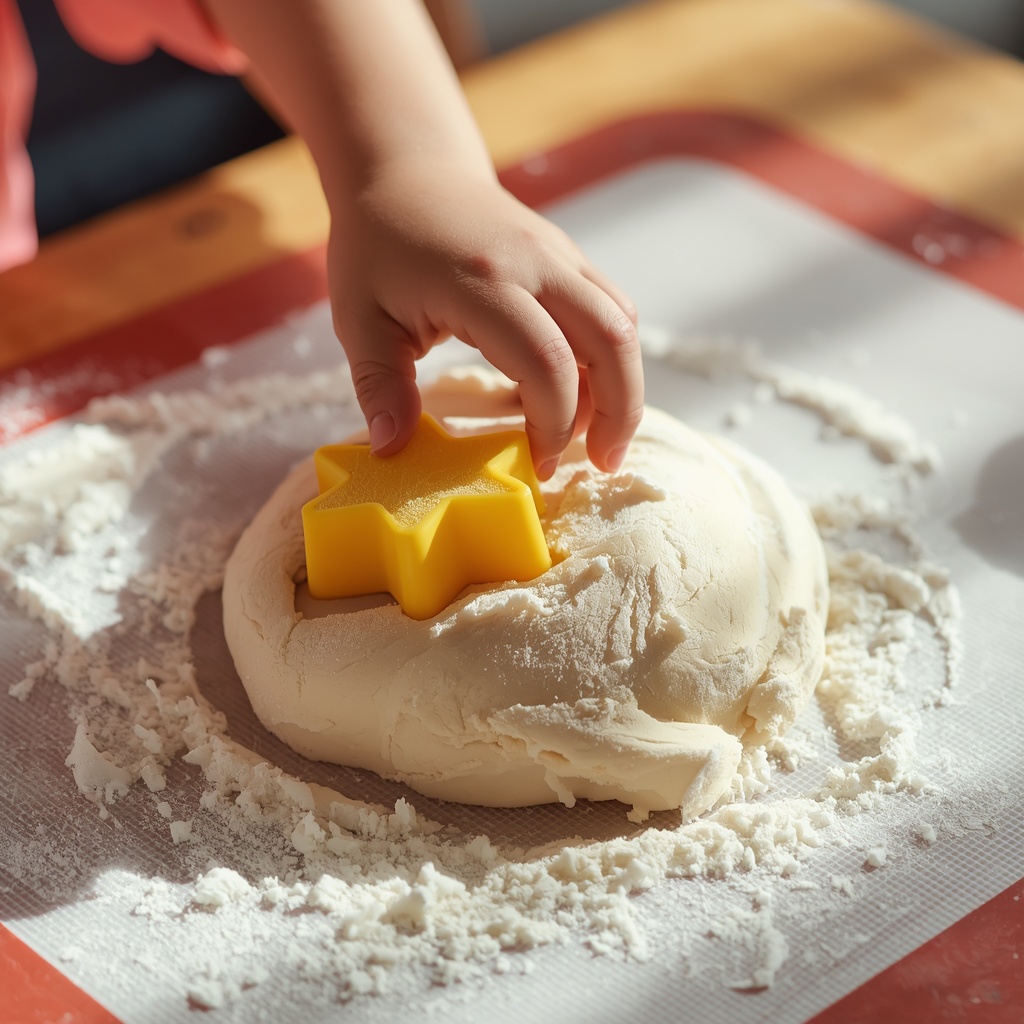
Cloud dough feels like soft, moldable beach sand, but it never dries out and can be packed into shapes like wet sand—all while staying completely dry to the touch.
- Target Senses: Tactile exploration and fine motor control.
- How to play: Mix 8 cups of all-purpose flour with 1 cup of baby oil (or melted coconut oil) in a large tray. Let your child dig their fingers in, pack it into small sandcastle molds, or carve paths through it.
- Product Recommendation: If you don’t want to make it from scratch, you can buy pre-made, mess-free kinetic sand. The Kinetic Sand Folding Sand Box Set is fantastic because it comes with its own cleanup tray and molds, making it super parent-friendly.
3. Water and Ice Rescue
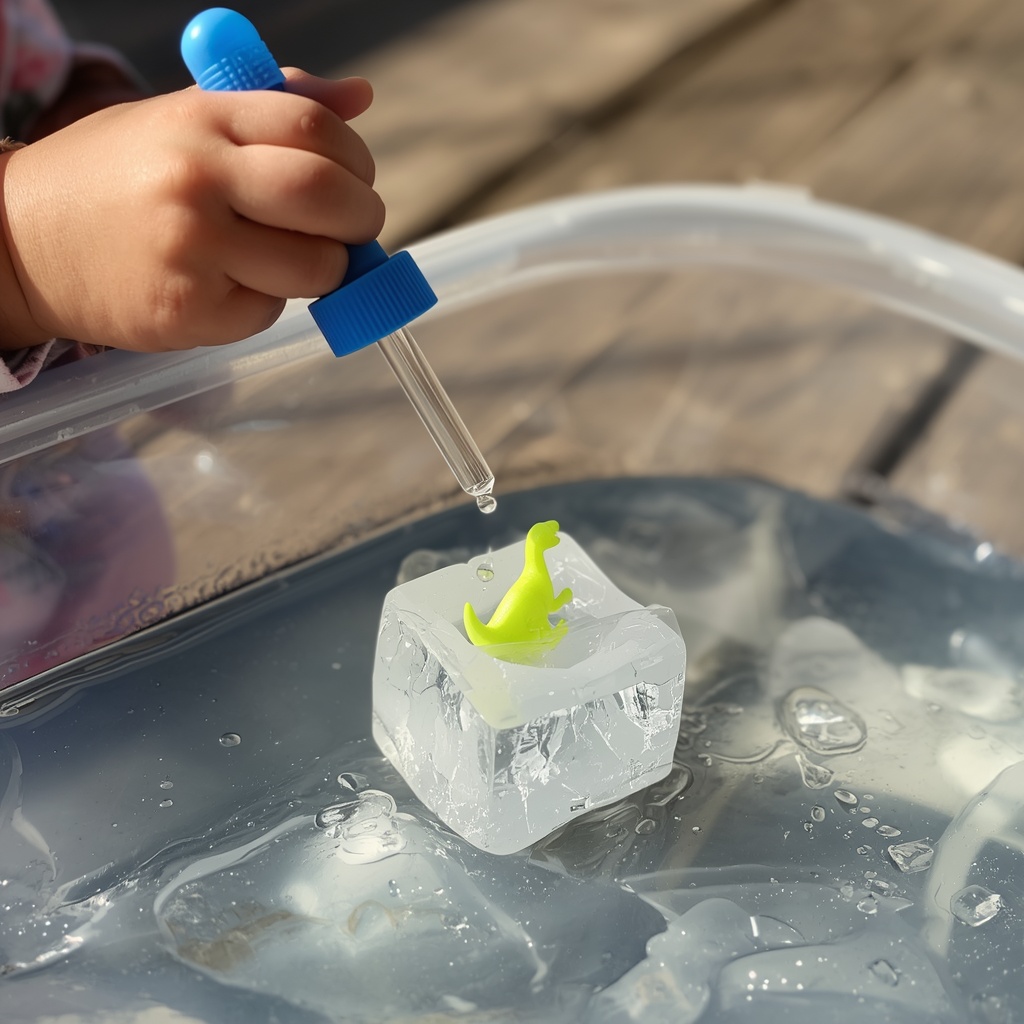
Water play is inherently calming, and adding ice introduces temperature contrast and a fun „challenge“ element.
- Target Senses: Temperature awareness (hot/cold), touch, and hand-eye coordination.
- How to play: Freeze small plastic toys (like dinosaurs or gems) inside an ice cube tray or a larger bowl of water. Pop the frozen block into a shallow tray of warm water and let your child use toy hammers, droppers with warm water, or spray bottles to „rescue“ the trapped toys.
- Product Recommendation: Pipettes and droppers are amazing for building finger strength while transferring water. A set of Learning Resources Jumbo Eye Droppers is durable, cheap, and perfect for this activity.
4. Scented Playdough

Engaging the sense of smell adds a whole new dimension to traditional molding dough.
- Target Senses: Olfactory (smell) and tactile.
- How to play: Make a simple batch of homemade playdough or take store-bought dough and knead in a few drops of essential oils or spices (like cinnamon in the autumn, lavender for a calming bedtime activity, or lemon for a bright summer feel). Let your child shape figures while talking about the different scents.
- Product Recommendation: If you want a safe, ready-made option that smells amazing and is completely natural, the Dough Parlour All-Natural Playdough Sets are a wonderful non-toxic choice for preschoolers.
5. Soap Foam Sensory Soup
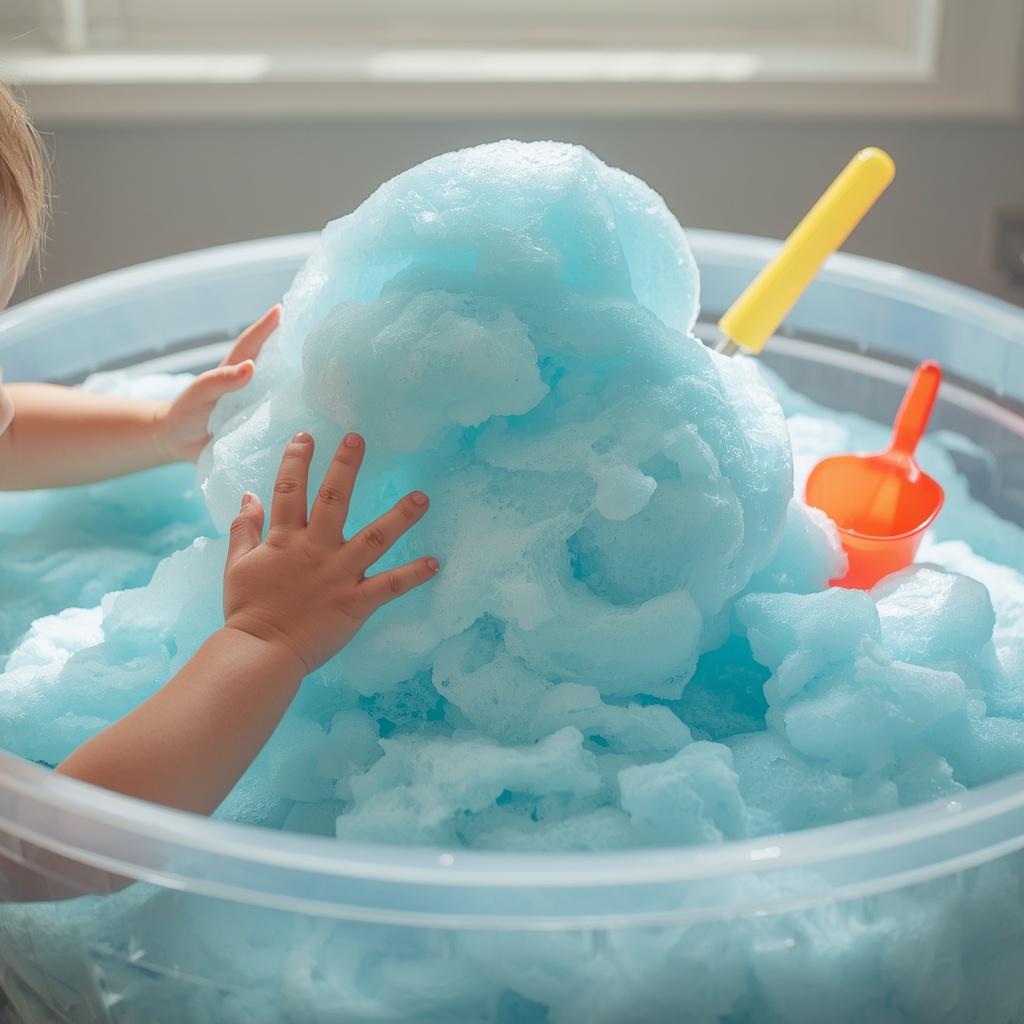
Kids love bubbles, and whipped soap foam feels like playing in a cloud of soft, clean foam.
- Target Senses: Tactile, visual, and olfactory.
- How to play: In a large bowl or sensory bin, combine 2 tablespoons of tear-free baby shampoo or tear-free bubble bath with 1/2 cup of water. Use an electric hand mixer for 1-2 minutes until it whips up into stiff, mountain-high peaks of colorful foam. Dump it into the bin with plastic spoons, bowls, and toy cups.
- Product Recommendation: To make clean-up a breeze and protect your floors during high-mess activities like this, a durable Splash Mat for Under High Chairs and Sensory Bins placed underneath the play area will save you a lot of sweeping.
Tips for Managing the Mess (From One Parent to Another)
Let’s be honest: sensory play can get messy. But with a few simple boundaries, you can keep your sanity intact:
- Define the boundary: Tell your child, „The beans stay inside the bin.“ If items consistently hit the floor, gently remind them once, and if it continues, pack the activity away for another day.
- Use a tray or mat: Always place your sensory bins on top of a large towel, a silicone mat, or outdoors when the weather permits.
- Embrace the process: Remember that the mess is temporary, but the neural connections your child is building will last a lifetime!
Conclusion
Sensory play doesn’t have to be complicated, expensive, or a massive chore to clean up. By incorporating simple materials like rice, water, or dough into your preschooler’s routine, you are supporting their brain development, hand strength, and emotional regulation in a fun, natural way.
Disclosure: This post contains affiliate links. As an Amazon Associate, I earn from qualifying purchases at no extra cost to you.